In a recently published discussion paper, ‘How to Get to the Net? A Discussion Paper on Carbon Dioxide Removal’, the UN-convened Net–Zero Asset Owner Alliance (‘NZAOA’) has laid down suggestions to improve the uptake of CDR methods and carbon markets.
Key takeaways:
- The significance of CDR will gradually increase owing to the persistence of hard-to-abate emissions, many of which will still be present after 2050.
- CDR demand and supply should reach high levels in order to offset hard-to-abate emissions. Up until now, most of the demand for CDR came from corporations based in North America operating in the tech, banking and finance, consulting and oil and gas sectors.
- The growth of CDR has been limited during the last four years due to reasons such as the spread of criticisms regarding the quality of some CDR activities, lack of regulatory stability and widely applicable rules, confidentiality, novelty of engineered CDR methods and the reluctance of corporations to take swift actions.
- Voluntary net zero goals and pledges have played a role in the initial growth of CDR. However, the demand triggered by these types of voluntary actions has not been consistent or sufficient for the long-term uptake of CDR. In addition, voluntary undertakings may not be realized. Other risks relate to the low quality of some CDR projects, lack of financial resources and negative public perception regarding some CDR activities.
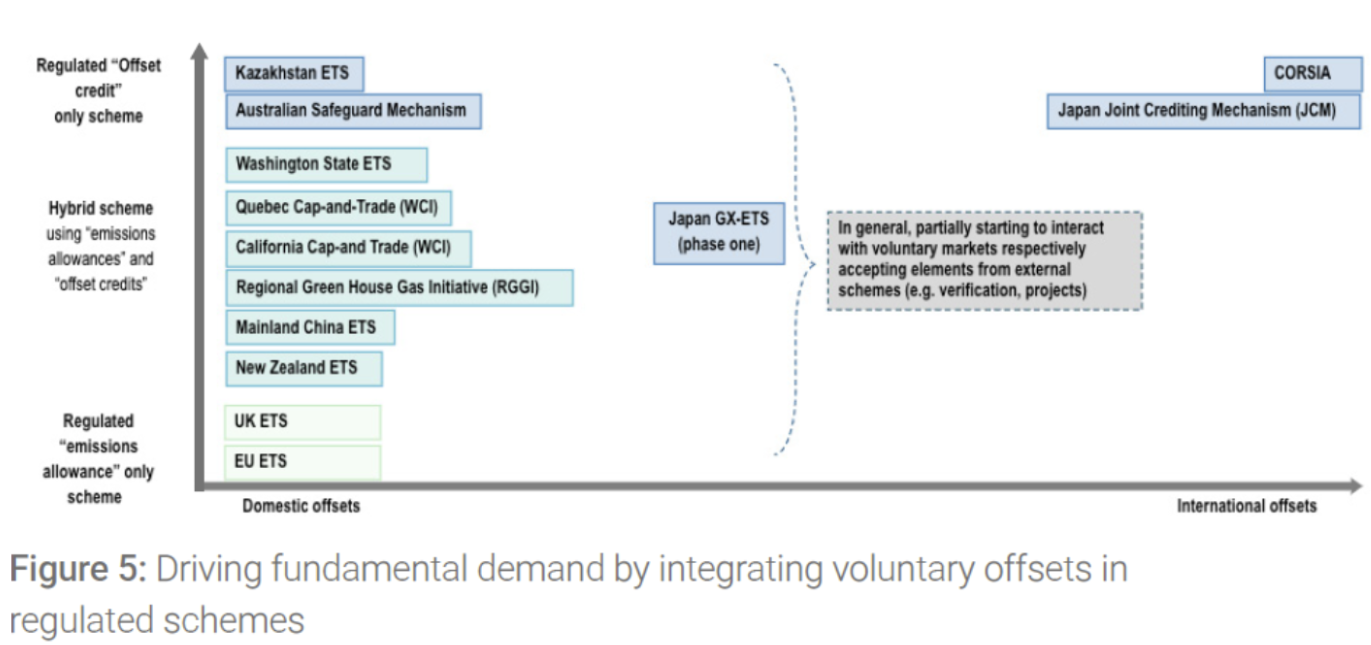
- Therefore, government-mandated demand will play a key role in the future. This demand can be catalyzed by the establishment of compliance markets and policies favoring the growth of an effective CDR market. Such policies should incentivize the activities of early entrants to the CDR market.
- Large asset owners operating at the global level that have future investment plans should be presented with a policy environment facilitating the use of various business models for CDR. Asset owners benefitting from such policies can catalyze the growth of CDR.
- Governments should incorporate separate CDR targets to their decarbonizations plans and NDCs to ensure transparency. With this context, separate targets and reporting rules should be established regarding engineered and natural CDR methods.
- Tools such as cap and trade systems and carbon taxes can enhance CDR methods’ economic feasibility by allocating a value for the removal of carbon from the atmosphere. In doing so, they can contribute to the growth of carbon markets and form demand for CDR methods.
- Regulated carbon markets should include both engineered and natural CDR methods. The value of the latter methods should be recognized in view of their high potential for growth, availability and favorable social and environmental impacts. However, issues regarding monitoring, reporting and verification (‘MRV’) and permanence should also be tackled.
- Accounting standards should be implemented in conjunction with verification by third parties, assurance, MRV processes and certification and registries.
- Operators and intermediaries of the CDR sector should share their knowledge and facilitate capacity-building for the benefit of investors.
Read the full paper here: How to Get to the Net? A discussion paper on carbon dioxide removal – United Nations Environment – Finance Initiative