- Throughout Earth’s geological history, the chemical weathering of silicate minerals has served as the primary mechanism stabilizing atmospheric carbon dioxide (CO2) concentrations and global average temperatures over timescales of tens to hundreds of thousands of years.
- When rocks that make up the Earth’s crust are exposed to atmospheric moisture or acid rain, silicates dissolve extremely slowly.
- The metal cations released in this process—such as magnesium and calcium—are carried by rivers into the ocean, where they chemically fix carbon that has dissolved into water from the atmosphere, converting it into bicarbonate ions (HCO3).
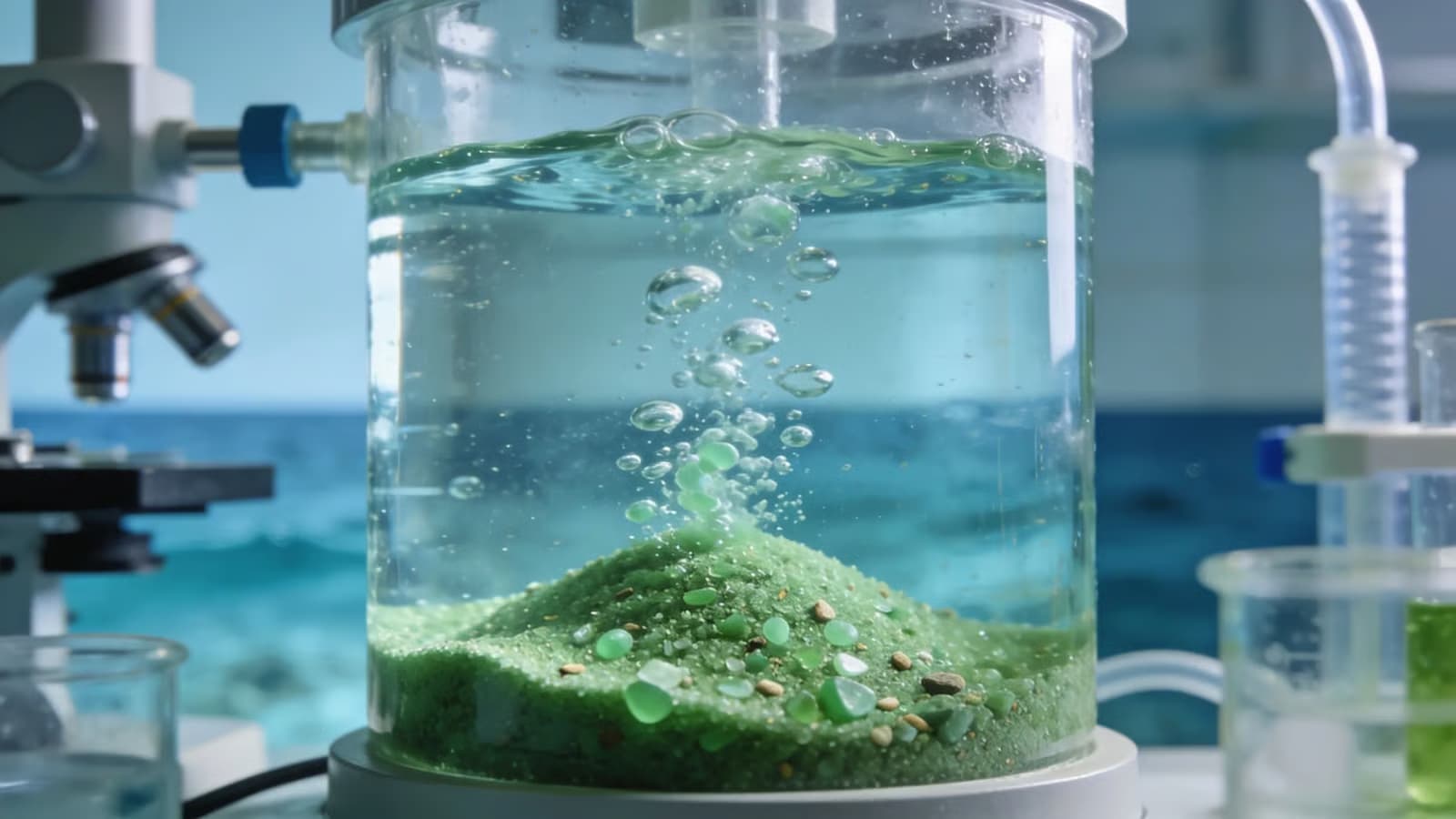
- A technology field known as Enhanced Rock Weathering (ERW) seeks to artificially accelerate this natural mechanism to help mitigate climate change.
- Efforts are underway to spread finely crushed silicate rock across farmland and coastal areas to boost the rate at which atmospheric carbon dioxide is absorbed.
Read the full news here: Harvard-Engineered Bacteria Speed Up Rock Weathering to Trap CO2 in Seawater