
Description of the Company
Restord is a company that was established in the UK in 2023 with a startup capital of 178.000 Euro. It employs biochar. It has chosen this method as it is unique in the market, has high permanence, high durability and is very safe and stable.
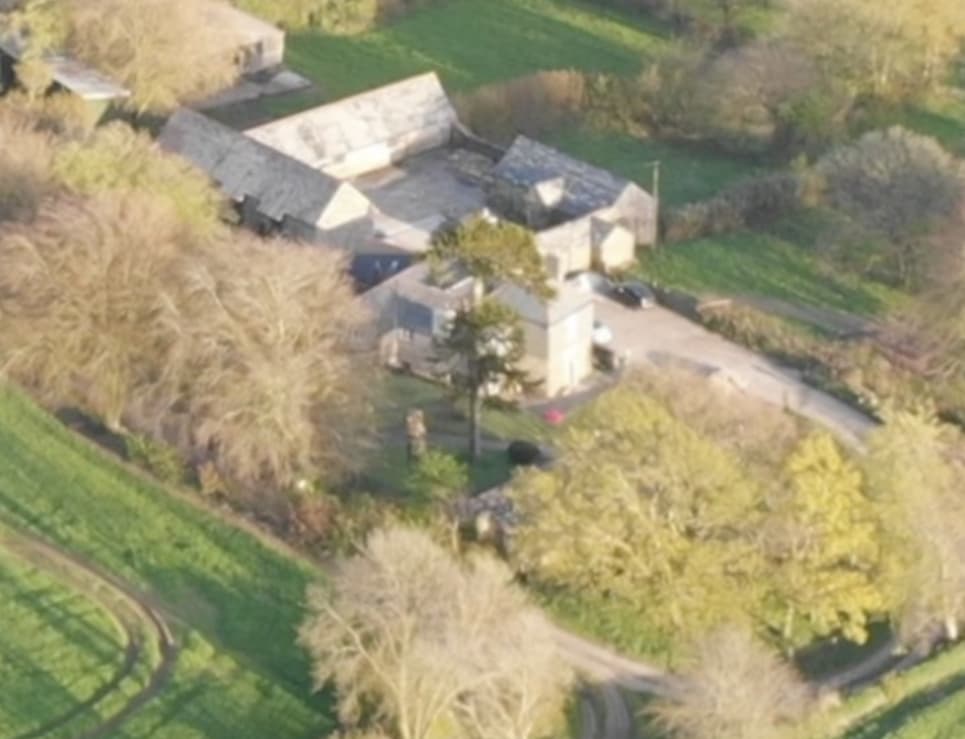
The company has chosen to develop biochar as its core CDR technology due to its unique ability to combine durable carbon sequestration with agricultural, industrial and energy co-benefits. With a pilot project on a family farm in Cornwall, the company currently integrates biochar into local agricultural supply chains—transforming organic waste into a high-value soil input that improves soil health, boosts yields, and reduces fertilizer use. This approach aligns with UK climate goals, Cornwall’s 2030 carbon neutral target, and supports the transition to regenerative farming. With limited UK adoption to date, biochar presents a high-impact, early-mover opportunity.
CDR support
The company has received funding from NEIRF 3 and R,D&I Shared Prosperity Funding as well as match funding from Cornwall Council via Crowdfunder campaign.
CDR market
The company participates in the voluntary market initiative. Its main clients operate in the property, architecture and tech sectors.
CDR regulations
One of the primary barriers is the UK Environment Agency’s restrictive rules on land application. Currently, only biochar made from the cleanest types of wood and agricultural residues can be applied to farmland. This excludes other feedstocks such as compost, manure, and animal waste, despite their proven safety and carbon benefits. As a result, project developers are constrained in their feedstock choices, which limits scalability and raises operational costs. A recommended solution is the development of a Publicly Available Specification (PAS) to expand the list of approved feedstocks.
Permitting and planning also pose a challenge. Projects using waste materials are often classified as waste management activities, triggering complex regulatory requirements that increase both cost and time to deploy. Streamlined permitting guidance and clear national standards are needed to support smoother implementation.
Additionally, biochar projects have been excluded from the UK’s early-stage Carbon Contract for Difference (CCfD) schemes, meaning they lack access to revenue guarantees that other technologies like BECCS or DACCS can benefit from. This puts biochar at a competitive disadvantage and underscores the need for tailored funding pathways.
Another barrier is the lack of financial incentives for landowners to apply biochar. While it offers substantial agricultural and environmental benefits, without support through schemes like the Sustainable Farming Incentive (SFI), uptake remains limited. Policymakers are encouraged to include biochar in such schemes to stimulate demand.
Measurement, reporting, and verification (MRV) methods for biochar are improving, but still face uncertainties—particularly around carbon durability under different soil and climate conditions, and the limited recognition of non-soil storage methods like asphalt or concrete. Expanding MRV methodologies and adopting performance-based standards would improve confidence in biochar credits and enable broader use cases.
Finally, governance is fragmented. Responsibility for biochar regulation and support is split between departments such as Defra and the Department for Energy Security and Net Zero (DESNZ). A single point of leadership is needed to coordinate standards, permitting, and funding more effectively.
CDR outlook
According to the company, CDRs future is both necessary and increasingly promising. It’s only going to become more integral for net zero as we get closer to 2050. The company expects to see a maturing of both engineered and nature-based solutions, with biochar, direct air capture, and enhanced weathering playing central roles. Demand will be driven by voluntary carbon markets, regulatory integration into emissions trading schemes, and corporate net zero commitments. For biochar developers like Restord, however, the company expects, long term, credits to become less of a focus and there to be a shift more into insetting and partnering with large multinationals to achieve this in their supply chains.
The company has cited regulatory complexity, limited market incentives and uncertainty around standards as the main barriers that pose obstacles against the long term deployment of CDR. For biochar specifically, UK regulations limit feedstock types and land application volumes, restricting scalability. Permitting processes are often ambiguous and overly burdensome for small, distributed projects. Social awareness of CDR remains low, and there is limited understanding among landowners, local authorities, and even regulators. Financially, a lack of revenue certainty and upfront capital for smaller CDR projects also constrains growth. Many CDR technologies also lack inclusion in key government support schemes like the Contract for Difference, delaying commercial maturity.
Lastly, the company is of the view that there are encouraging signs that can facilitate the long term deployment of CDR. Indeed, there is a slow but steady growing corporate demand for durable carbon removal credits and increasing public and private investment. The UK government’s 5 MtCO₂/year CDR target by 2030 provides a strong signal, even if implementation lags. Internationally, the development of standards such as those from Puro.earth and the ICVCM are helping to build trust and clarity. Technological advances, such as improved pyrolysis systems and MRV platforms, are making CDR more reliable and cost-effective.
CDR and society
Engaging local communities is integral to how the company delivers its biochar carbon removal projects. It actively collaborates with local farmers through on-farm biochar trials, involving them in application methods and outcome validation. This ensures its solutions are grounded in practical, local benefits.
It also engages local communities through educational workshops and direct dialogue, helping communities understand biochar’s role in soil health and carbon removal. Local councils are its key partners, ensuring alignment with planning and sustainability goals. Public outreach tools like its Grounded podcast further broaden access and awareness.